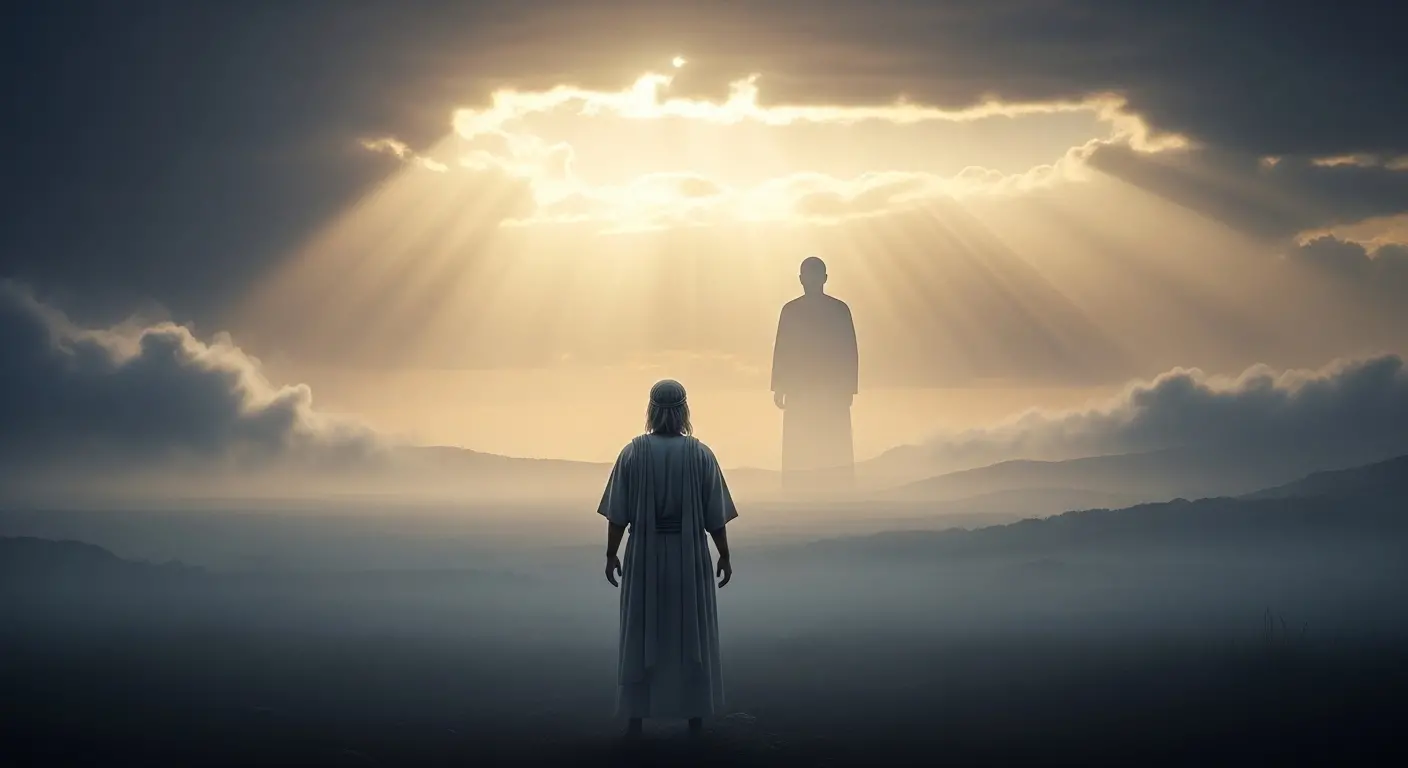
Dreams often leave us with lingering questions, especially when they involve those who have passed away. If you’ve recently experienced a dream of a dead person not talking to you, you may have woken with a sense of unease or curiosity. Was it a message?
A warning? Or perhaps a reflection of your inner emotions? Many wonder if such dreams hold spiritual significance, especially from a biblical perspective.
Dreams about the deceased can feel intense because they touch on loss, unresolved emotions, or spiritual guidance. In this article, we explore the multiple layers of this dream, combining psychological insights, spiritual wisdom, cultural interpretations, chakra connections, and real-life examples to help you decode its meaning.
Dream Symbolism from Psychology + Spiritual Side
From a psychological standpoint, dreaming about a dead person who doesn’t speak may reflect unresolved feelings or unfinished business with that individual. Freud and Jung both emphasized that dreams often act as mirrors of our subconscious. Here are key interpretations:
- Unresolved grief: The silence of the deceased in your dream may represent emotions you have not fully processed. Perhaps guilt, regret, or longing lingers in your subconscious.
- Personal boundaries: A non-communicative dead figure may symbolize emotional distance or a part of your life you feel disconnected from.
- Inner reflection: Psychologists suggest that such dreams can reflect your own inner voice. The dead person may represent a facet of yourself that you are ignoring.
On the spiritual side, especially within biblical interpretation:
- Divine message: Silence in a dream may signify God’s call for patience and reflection. It is a reminder to seek understanding through prayer rather than expecting explicit answers.
- Test of faith: A biblical perspective often views dreams of the dead as a test of spiritual awareness, encouraging you to examine your relationship with God and your moral path.
- Symbol of guidance: Though silent, the presence of a deceased loved one could represent spiritual protection or an unseen guiding force.
In essence, this dream may serve as a gentle nudge to process emotions, seek spiritual guidance, and reflect on your life choices.
Cultural Dream Interpretations
Across different cultures, dreams involving the dead carry nuanced meanings:
- Western cultures: Often viewed as manifestations of grief or reminders of unresolved conflicts. Silence can indicate unspoken words or unfinished business.
- Eastern traditions: In some Eastern philosophies, dreaming of deceased ancestors symbolizes protection or ancestral messages. Silence may signify respect or meditation, a call to listen internally.
- African and indigenous perspectives: Such dreams may be interpreted as visits from the spirit world, offering guidance or signaling a spiritual imbalance that needs attention.
- Biblical interpretation: Silence from the dead in a dream is sometimes viewed as a test of discernment. It emphasizes that the living should not seek communication with the dead directly but focus on prayer and faith for understanding.
Understanding these cultural layers can help contextualize your dream, reminding you that interpretation depends on personal, cultural, and spiritual lenses.
Connection to Chakras or Emotional Blockages
Dreams are often linked to energy centers in the body, and a dead person not speaking can point to blocked chakras or suppressed emotions:
- Throat chakra (Vishuddha): This chakra governs communication. A silent deceased figure may suggest your struggle to express feelings or speak truths.
- Heart chakra (Anahata): Grief, unresolved love, or guilt may manifest here. The dream signals the need for emotional healing and forgiveness.
- Third-eye chakra (Ajna): Dreams often emerge when intuition is heightened. A silent dead figure can indicate spiritual messages that require inner reflection rather than verbal communication.
Addressing these blocks through meditation, journaling, or spiritual counseling can help you release stagnant energy and understand the dream’s deeper message.
Real-Life Examples of This Dream Experience
Many people report vivid experiences of dreaming about deceased loved ones without conversation:
- Example 1: A woman dreamt of her grandmother silently standing at her bedside. She later realized the dream reflected her own unresolved guilt about neglecting family traditions.
- Example 2: A man dreamt of his late mentor silently watching him work. This dream prompted him to seek inner guidance and re-evaluate his life purpose.
- Example 3: A young adult dreamt of a deceased friend who ignored them. Reflection revealed suppressed anger and unexpressed emotions toward that friend, and writing a letter (even unsent) helped release the tension.
These examples highlight that silent dreams often act as mirrors for personal growth, emotional resolution, and spiritual insight.
FAQs
1. Does dreaming of a dead person not talking mean they are angry with me?
Not necessarily. Silence usually symbolizes your internal emotions or spiritual guidance rather than literal anger from the deceased.
2. Can this dream be a message from God?
From a biblical perspective, yes. It may serve as a nudge toward reflection, prayer, or spiritual awareness rather than a literal message from the dead.
3. How do I interpret recurring dreams of silent deceased figures?
Recurring dreams often point to unresolved emotional or spiritual matters. Journaling, meditation, and prayer can help reveal underlying meanings.
4. Should I try to communicate with the deceased after such a dream?
Biblical teachings generally advise against seeking contact with the dead. Focus on inner reflection, spiritual guidance, and prayer instead.
5. Can therapy help interpret these dreams?
Absolutely. Psychologists and dream therapists can help decode subconscious emotions and patterns reflected in the dream, complementing spiritual interpretation.
Closing: Reassurance + Reflection Advice
Dreams about dead loved ones who do not speak can feel unsettling, but they often carry gentle guidance rather than ominous warnings. Silence is not emptiness it’s an invitation to listen deeply, reflect on your emotions, and strengthen your spiritual awareness.
Consider using this dream as a mirror for personal growth: meditate on unresolved feelings, pray for clarity, and explore the emotional and spiritual lessons it presents. By embracing reflection rather than fear, these dreams can illuminate hidden truths and help you navigate life with greater compassion, faith, and self-awareness.
Remember, your subconscious and spiritual self communicate in subtle ways. A silent figure in your dream may be guiding you toward the peace, understanding, and healing you seek.

Hi, I’m Luca-Jay, founder of Dreamsignx.com. I specialize in dream interpretation, helping people uncover the spiritual, emotional, and symbolic meaning behind their dreams. Through my work, I guide others to understand their subconscious, gain clarity, and connect with their life path.





 Welcome to